Full-arch dental implants
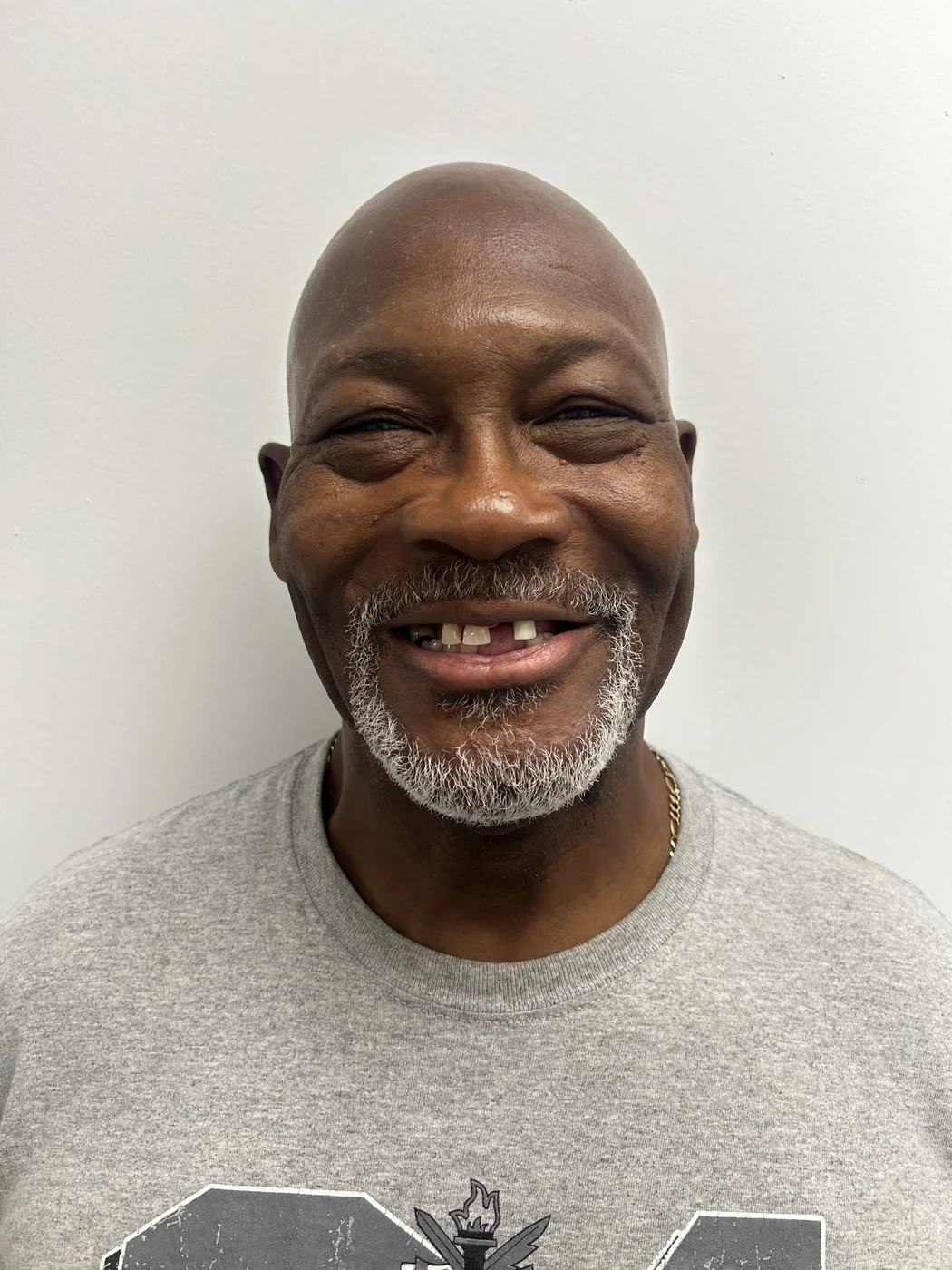
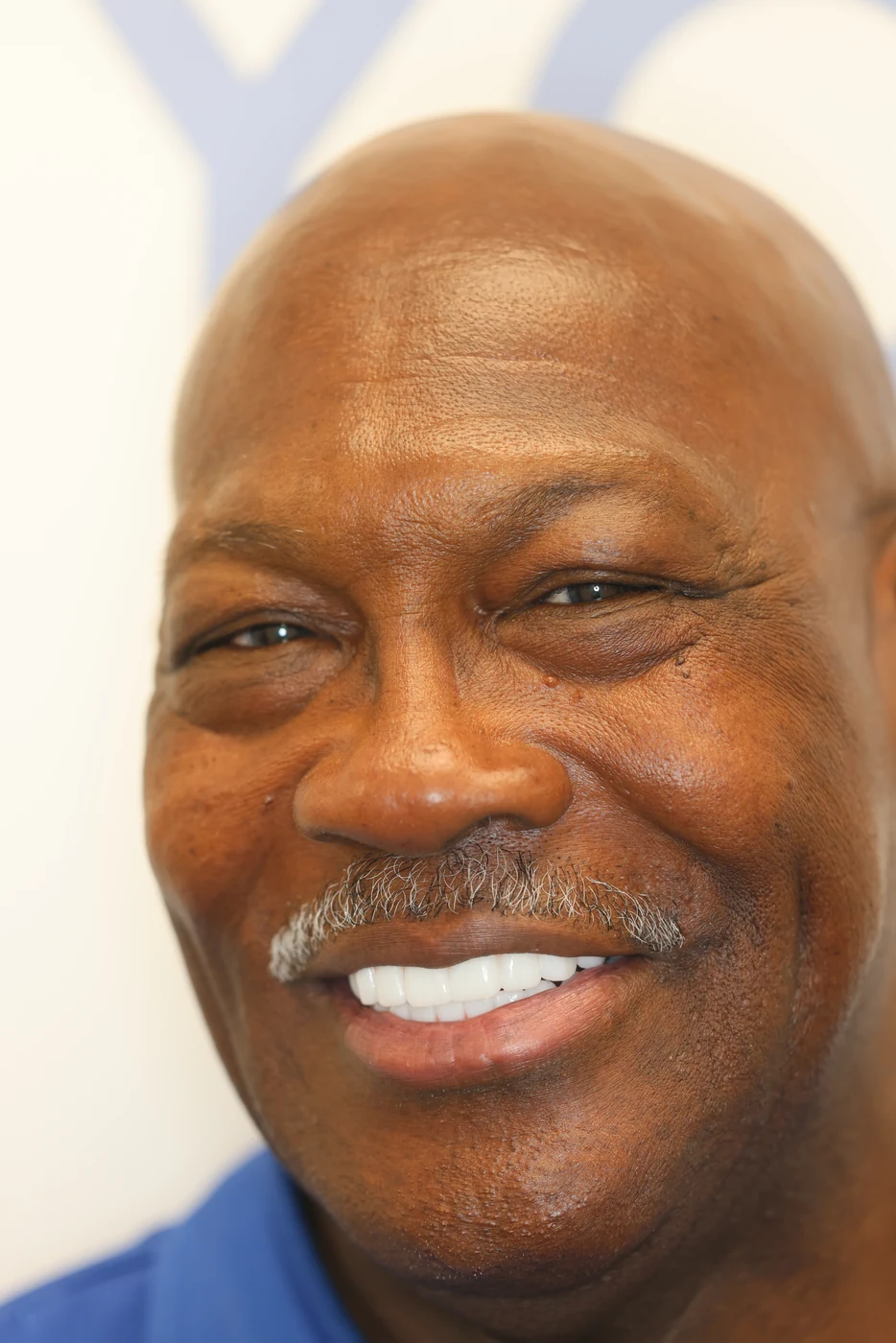
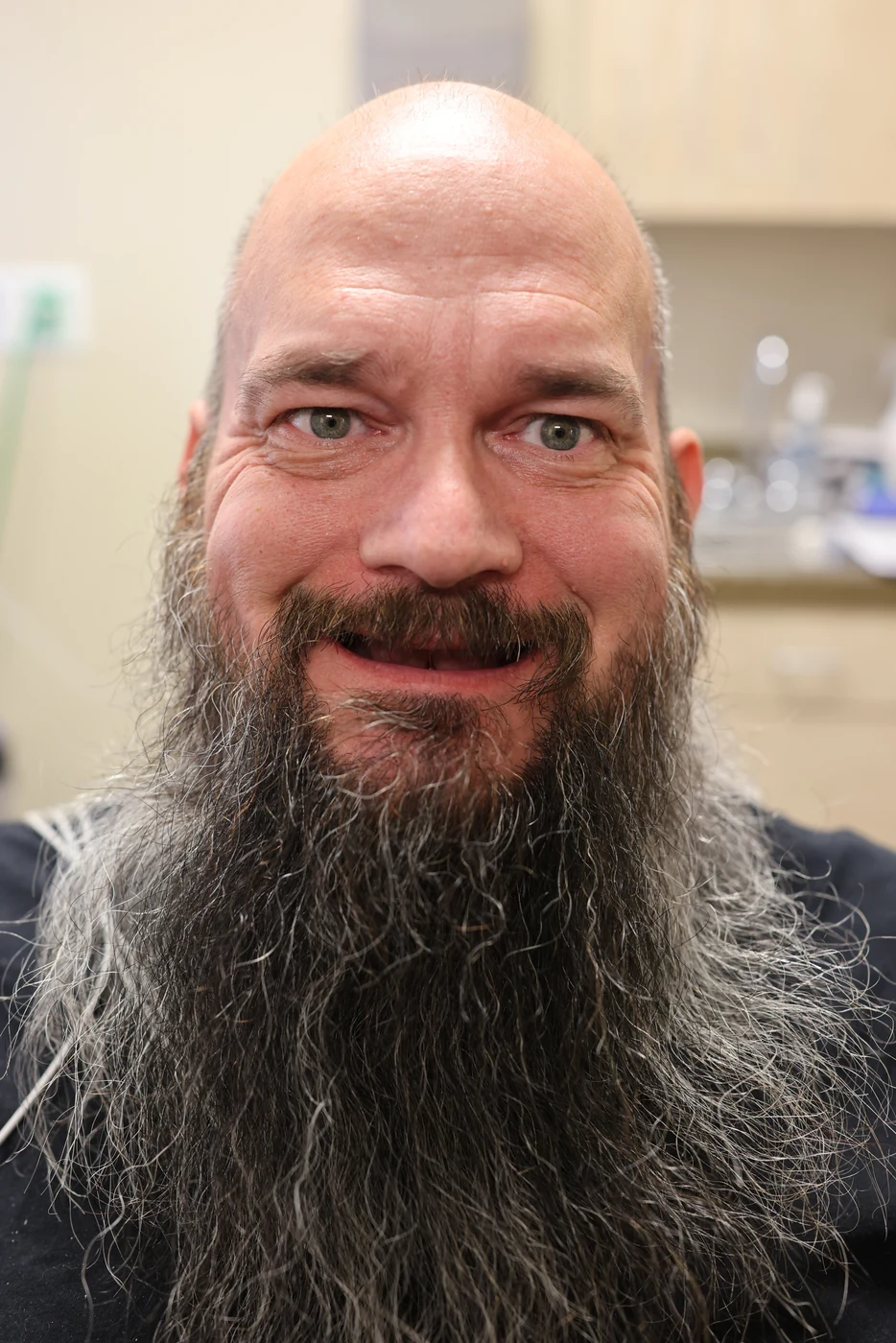
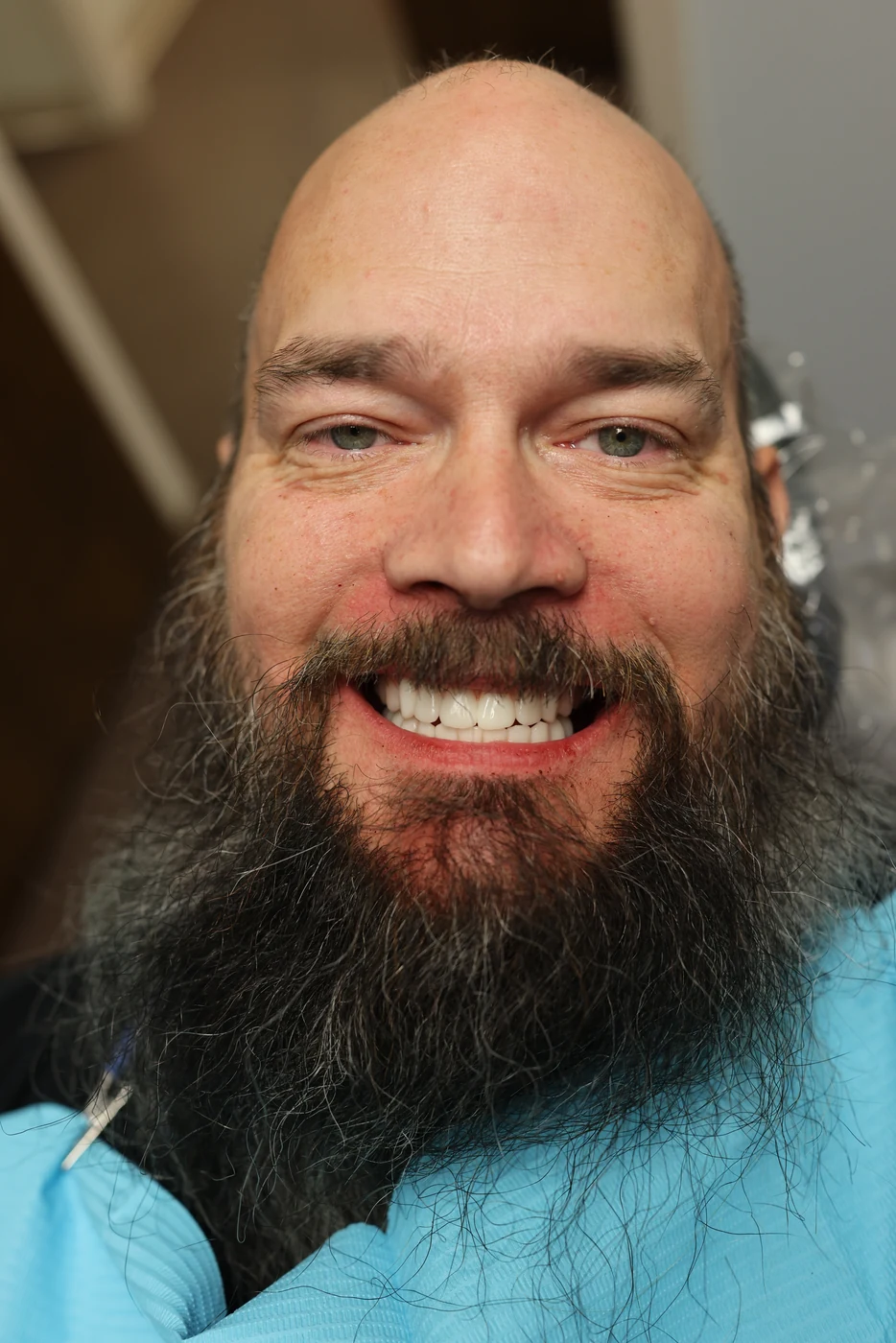
A full smile, restored
Upper and lower full-arch dental implants.
 Call today
FIXED TEETH. A PERSONAL PLAN.
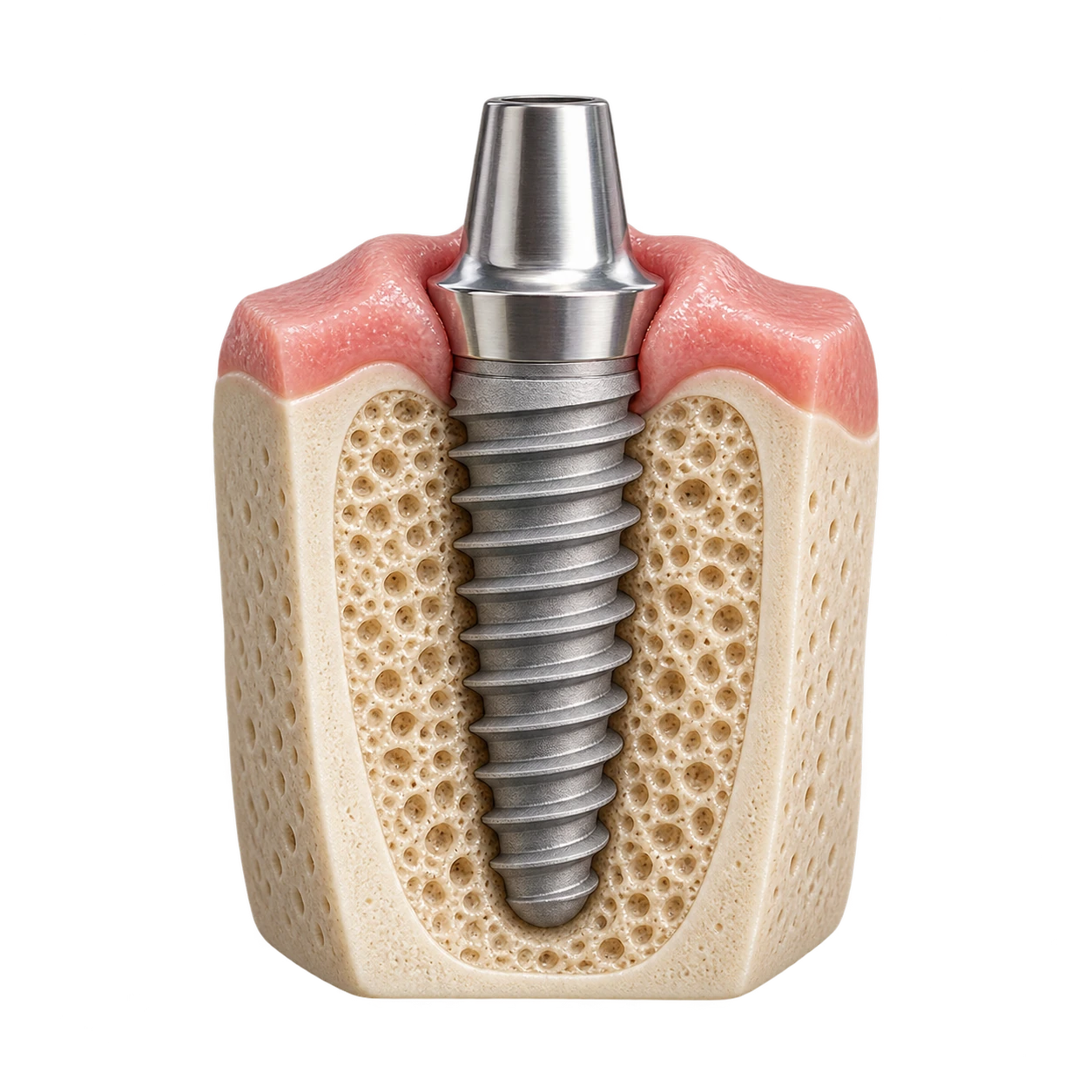
Full-arch dental implants replace a complete upper or lower set of teeth with a fixed restoration. Most of our full-arch patients leave with fixed temporary teeth on the day of surgery. We plan each stage around your health, your smile, and the life you want to get back to.
3D planning & implant positions
Select a step to pause the walkthrough and play that animation. Select it again to replay.
BEFORE SURGERY
Your surgeon reviews your health, scans, and goals. Together, you plan any extractions, implant support, anesthesia, and your new teeth.
Illustrative sequence. Implant number, restoration design, and healing vary. Animation does not represent elapsed treatment time.
THE PEOPLE BEHIND THE SMILES
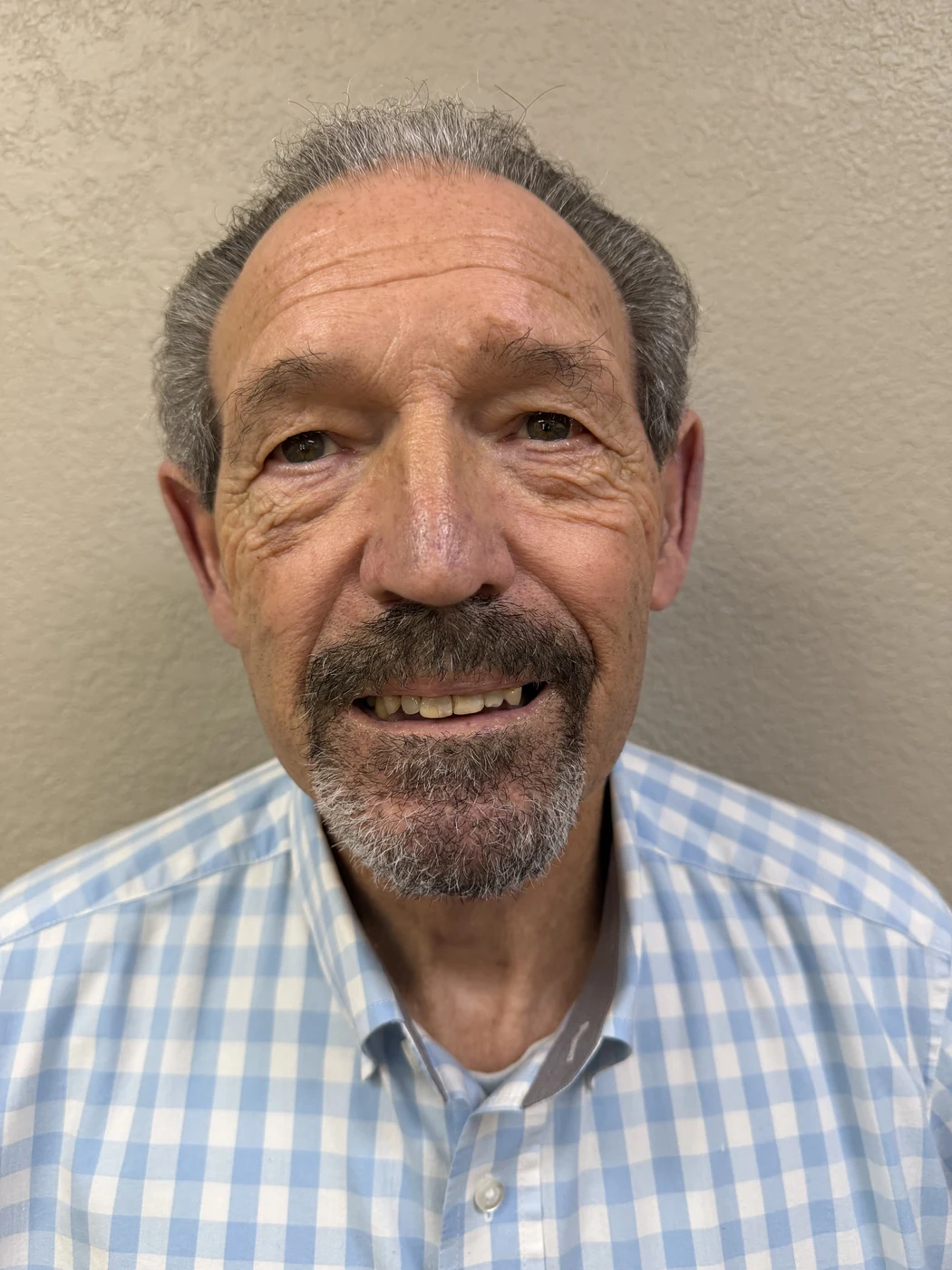
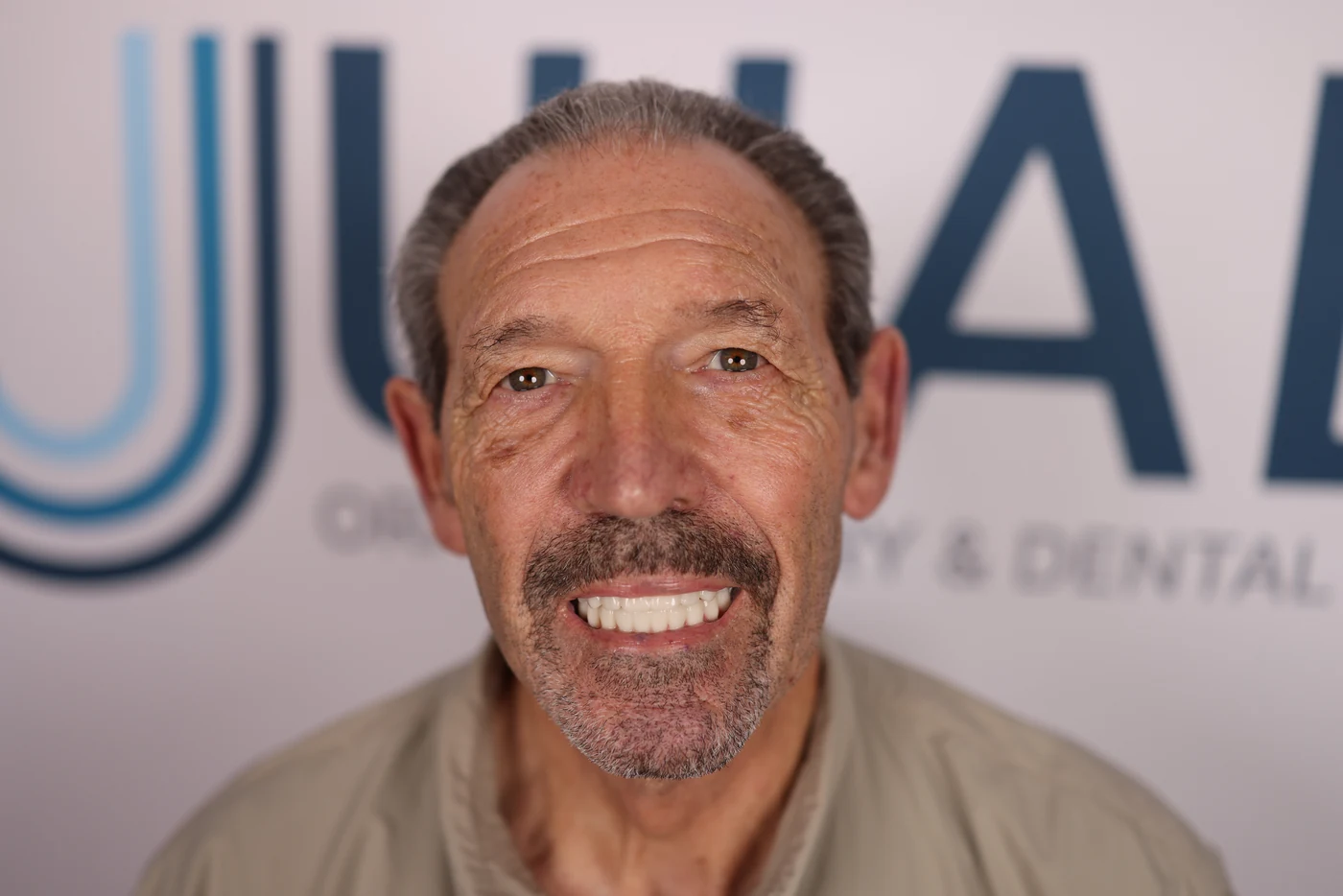
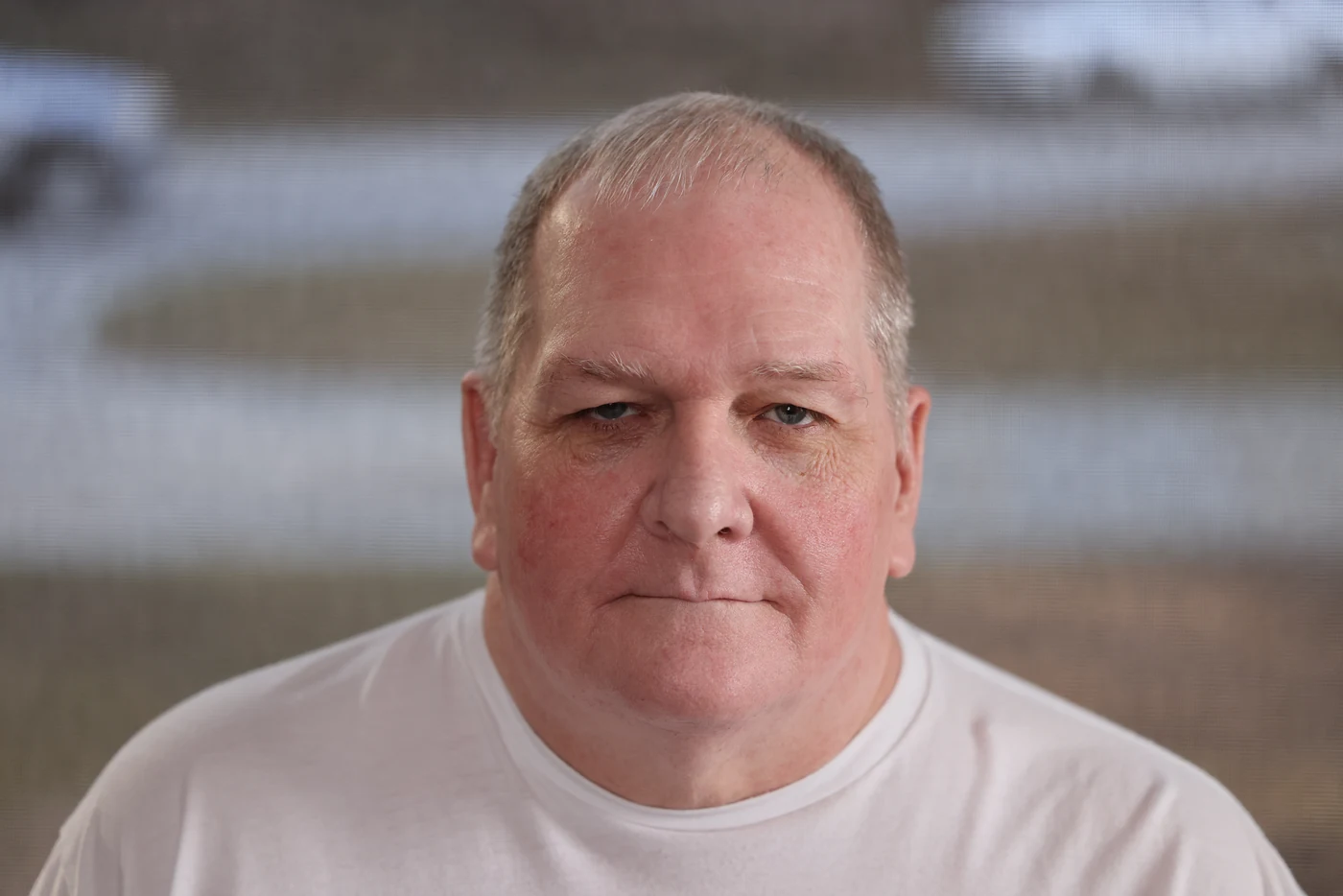
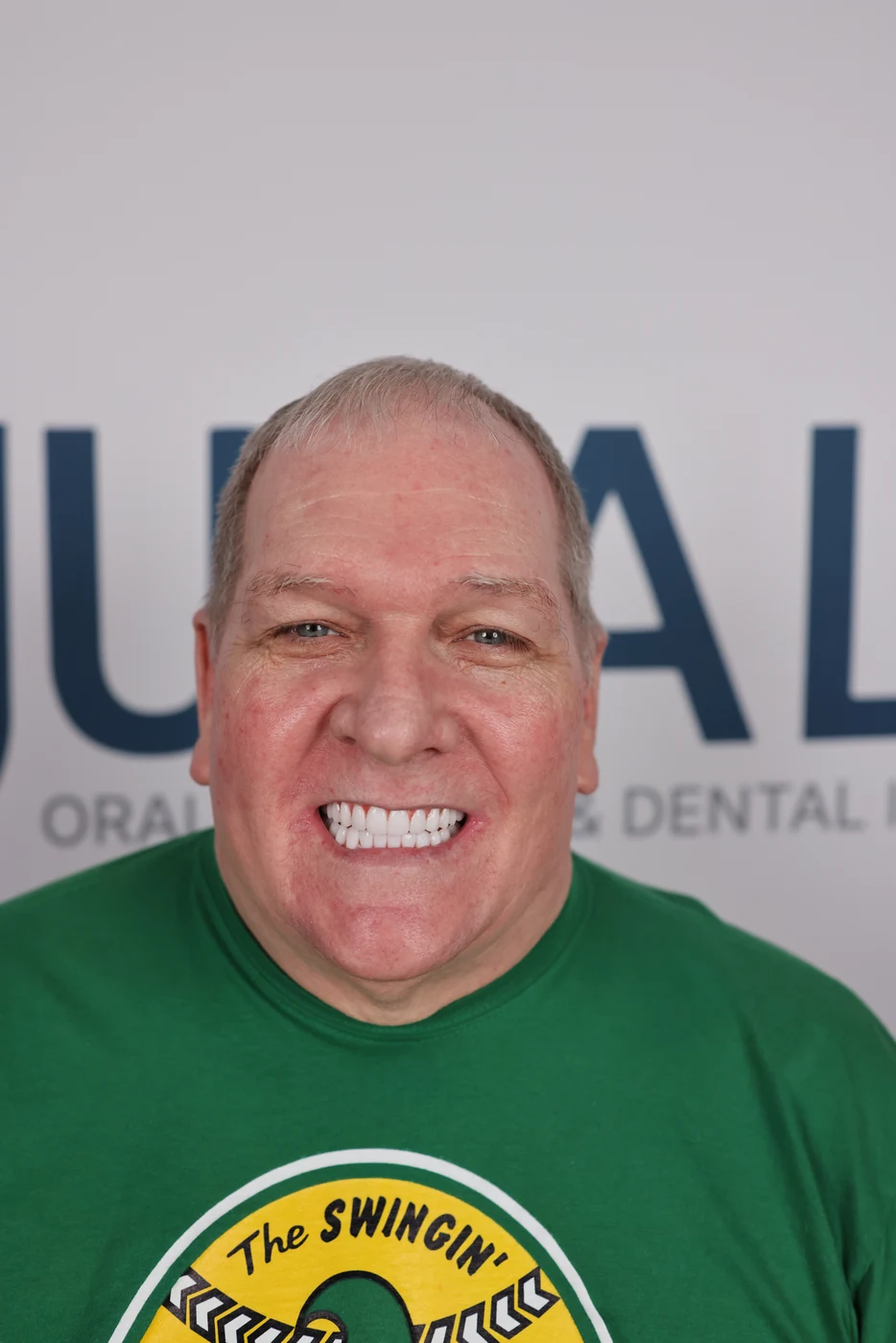
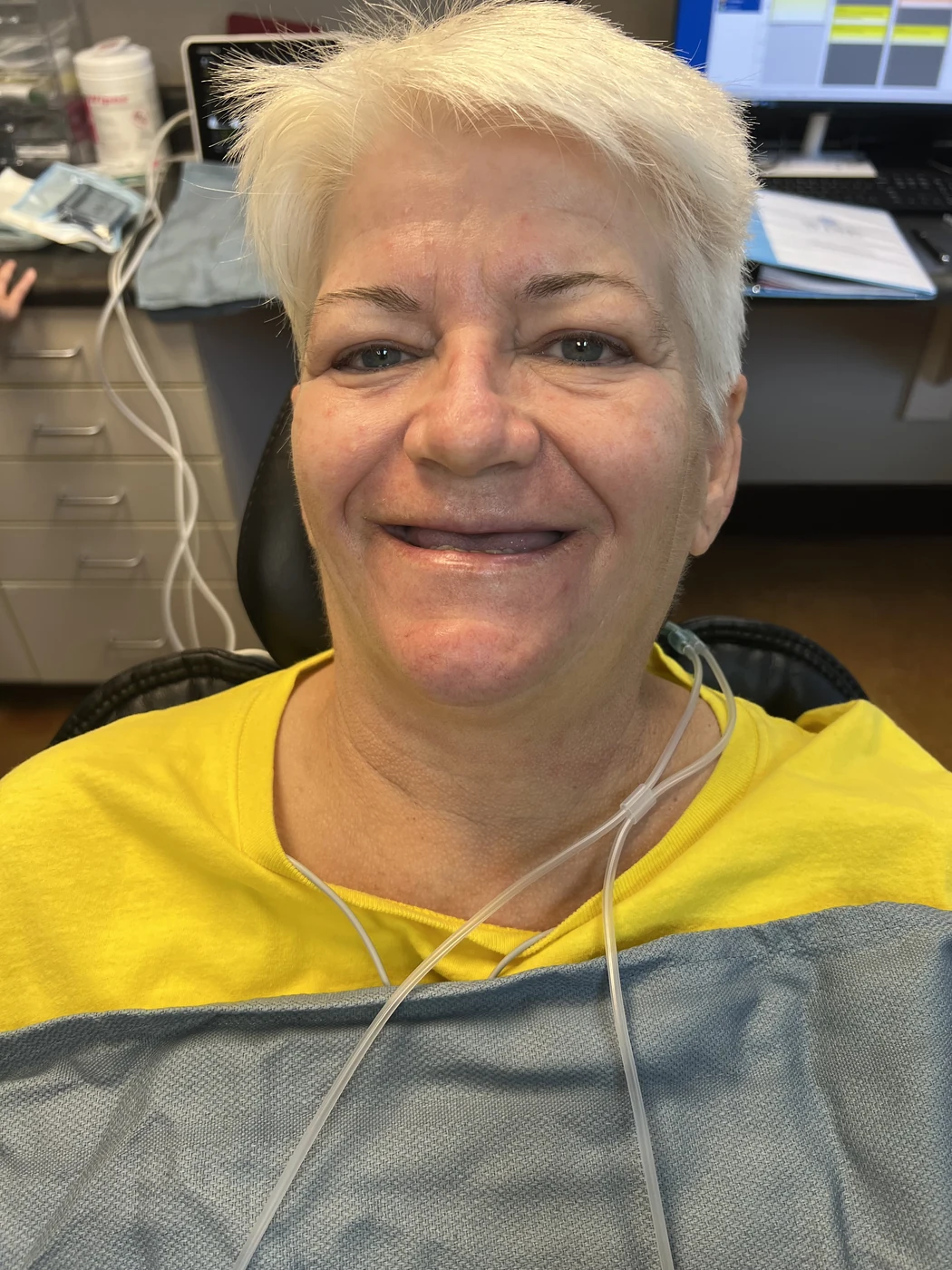
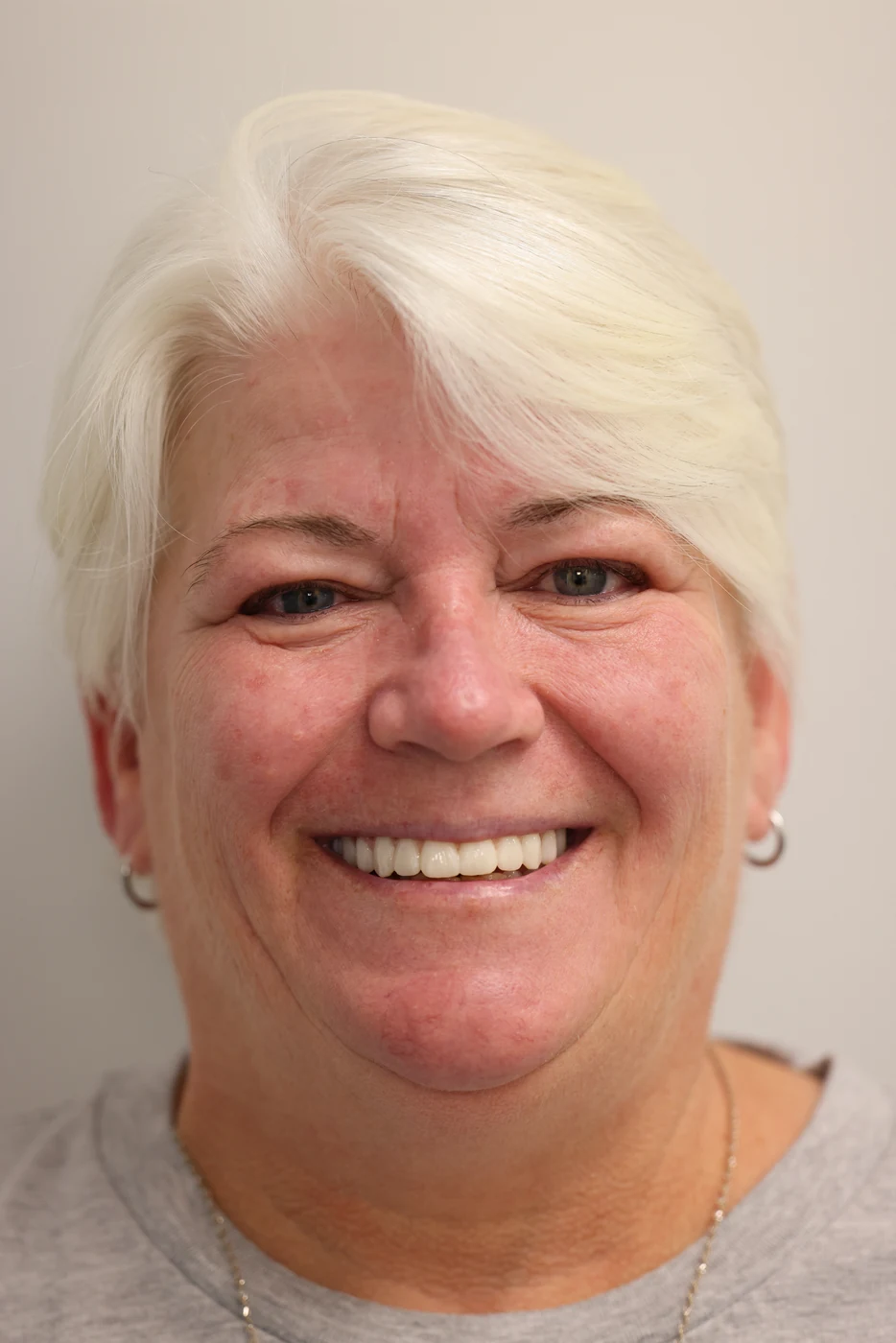
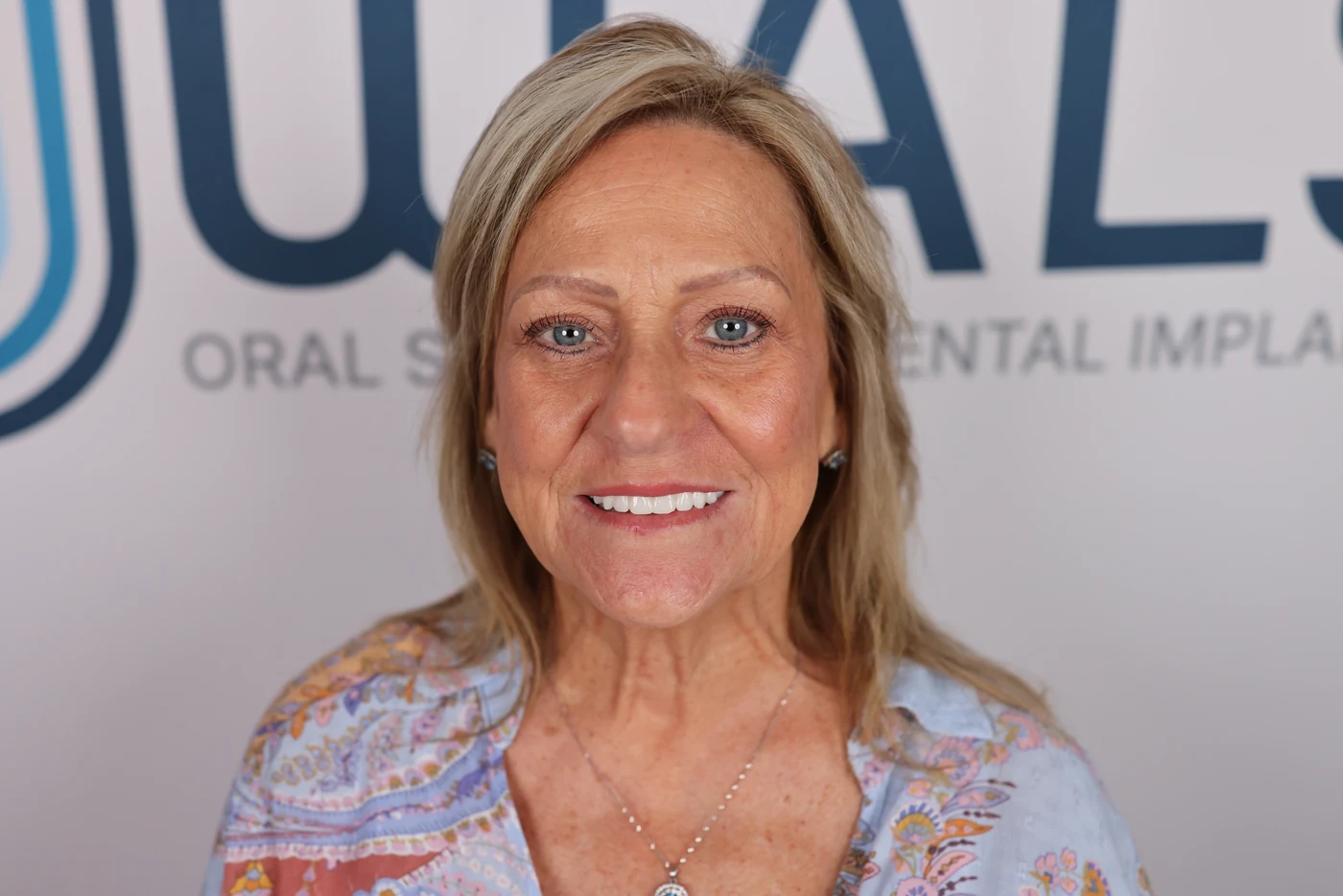
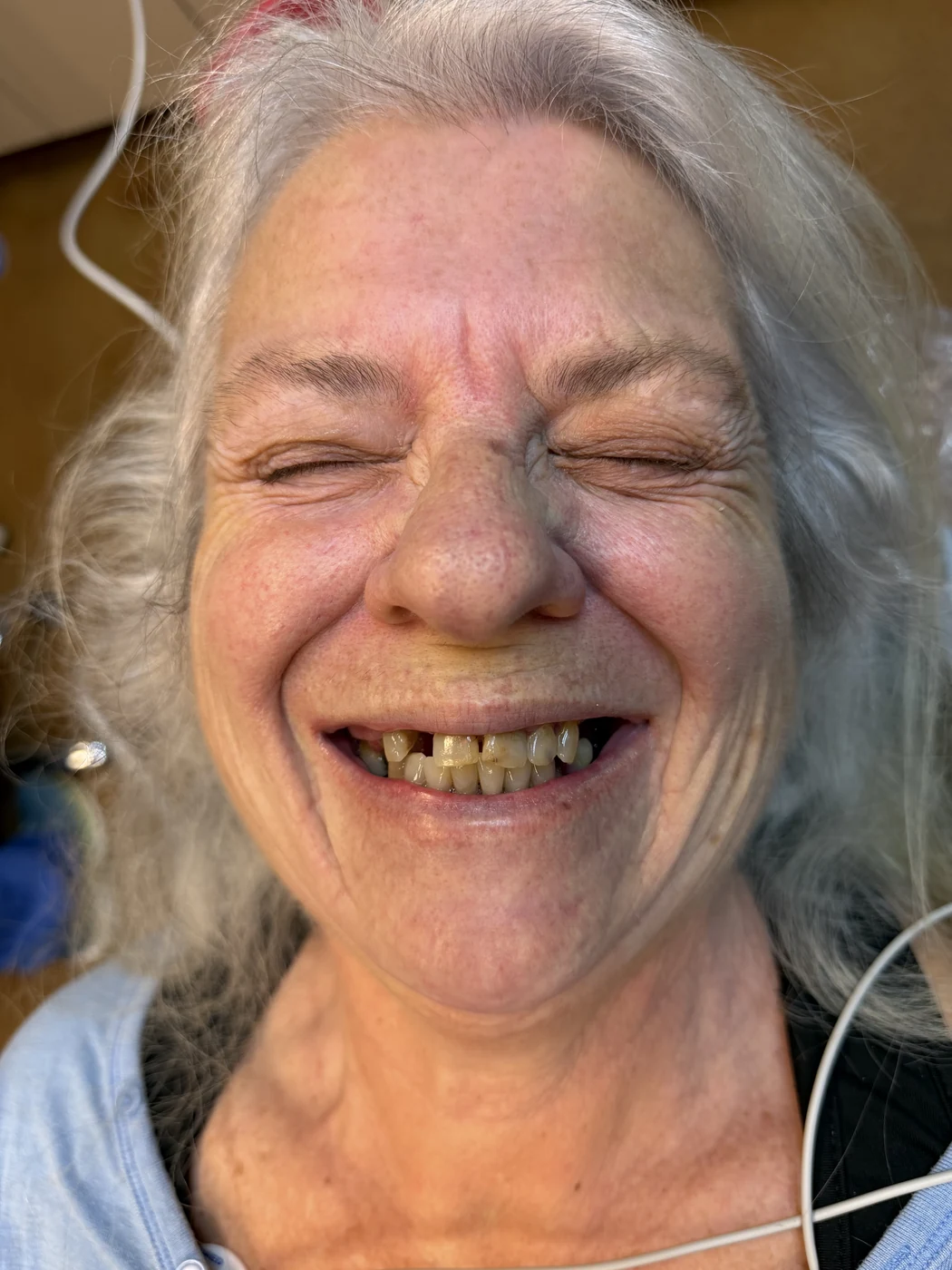
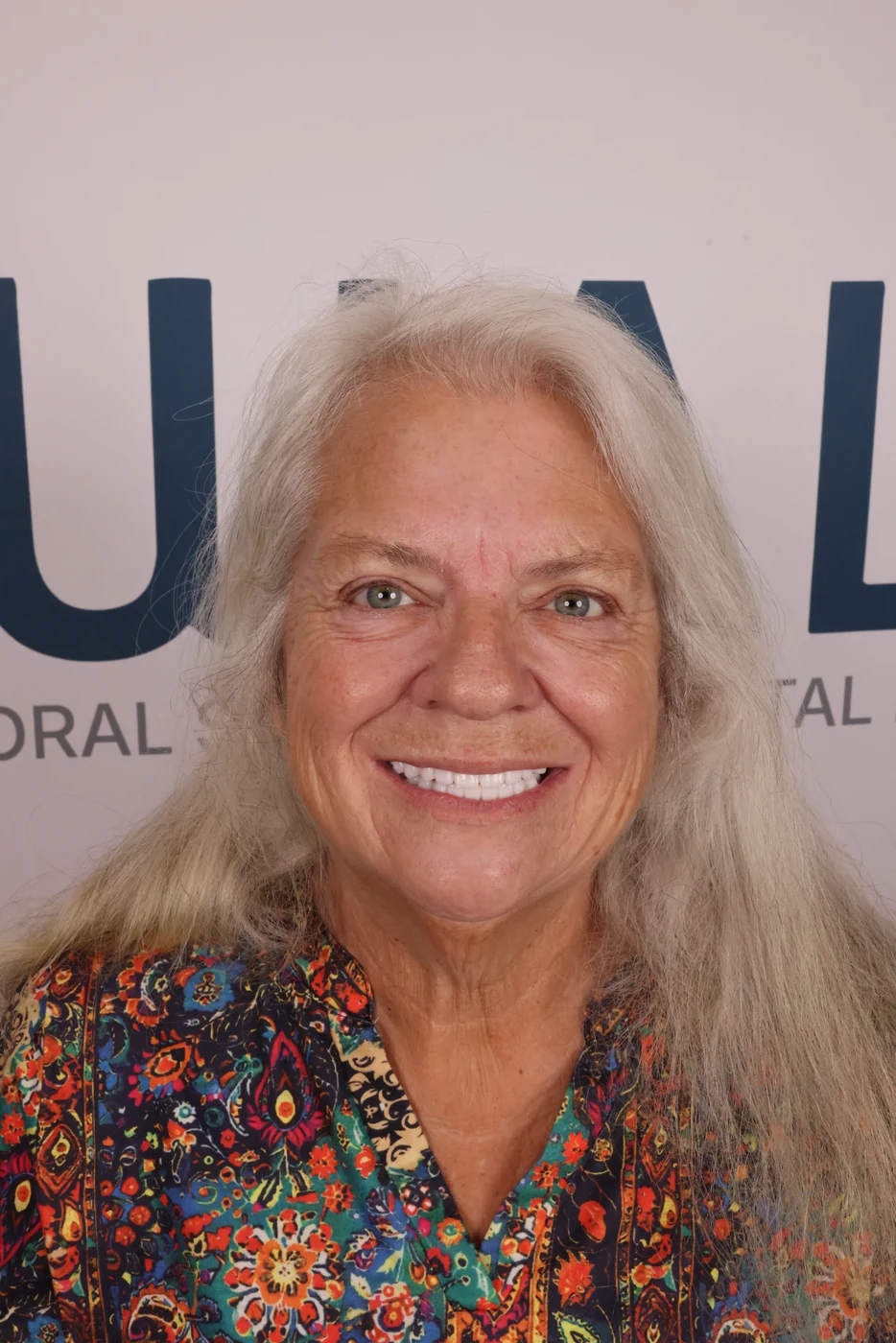
Explore real patient photographs from full-arch dental implant treatment. Every smile starts with an individual plan.
Upper and lower full-arch dental implants.
01of 07, A full smile, restored
Fixed temporary teeth for most patients.
As soon as 2–3 weeks for suitable cases; around 3–4 months for others.
Anesthesia and recovery planned with you.
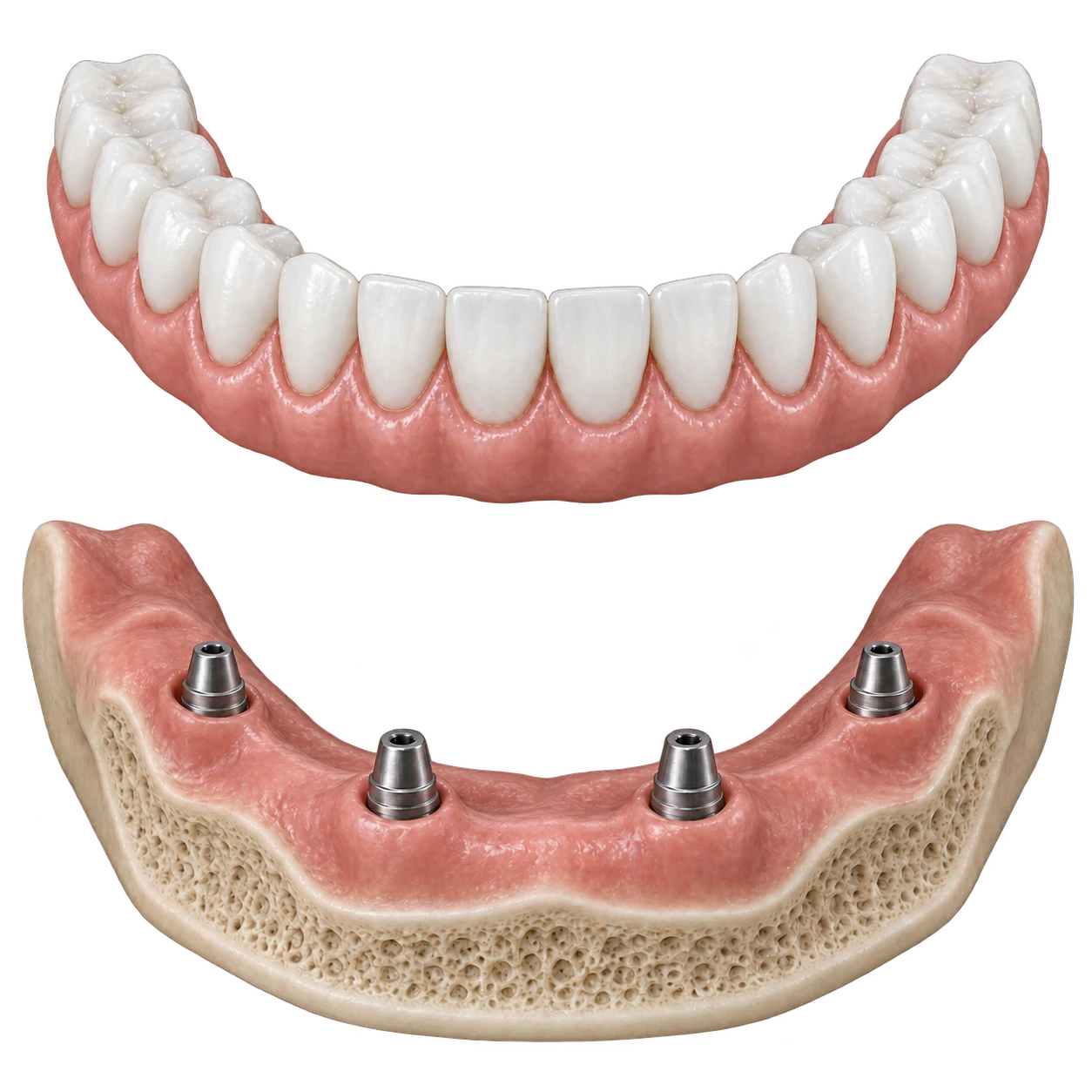
Full-arch dental implants support a complete upper or lower set of replacement teeth. All-on-4 describes a full arch supported by four implants; All-on-6 uses six. The number is part of your treatment plan, not something you have to choose on your own.
Your surgeon recommends the number, type, and position of implants based on your bone, remaining teeth, health, and the support your new teeth need. A fixed bridge stays in place between professional visits, unlike a traditional removable denture.
Most of our full-arch patients leave with fixed temporary teeth the same day as surgery. When remaining teeth need to be removed, we plan the extractions, implant placement, and temporary bridge together.
Your surgeon confirms that the implants have the stability needed to support your temporary teeth. If conditions require a different approach, we explain the alternative. Your temporary bridge protects your appearance while healing continues; follow your eating and cleaning instructions during this stage.
For suitable patients, final teeth can be fitted as soon as two to three weeks after surgery. Other patients need approximately three to four months before the final restoration is fitted.
Your team explains which pathway fits your plan and coordinates the design, fit, and delivery of your final teeth. Receiving the final bridge does not mean all biological healing is complete. Keep following your team’s instructions and attending the checks that protect your implants.
General anesthesia is available for appropriate patients, allowing you to be fully asleep during full-arch surgery while the team monitors you. We take time to review your health, medications, and concerns before recommending your anesthesia plan.
Sedation options may also be appropriate. IV describes how medication is given; it does not by itself describe how deeply you are sedated. Your surgeon explains the recommended approach, preparation, and recovery so you know what to expect.
EXPAREL is a standard part of our full-arch pain-control plan when medically appropriate. This long-acting local anesthetic is given during surgery to help manage discomfort as you begin recovering at home.
Your team explains the rest of your pain-management plan, any prescribed medicines, and when to call us. How you feel and how long relief lasts will be individual; we stay available as you heal.
Your consultation considers your remaining teeth, bone, medical history, and goals. Imaging helps guide the placement plan. We discuss your temporary teeth, final restoration, anesthesia, fees, and financing before treatment so you can make an informed decision.
For selected patients with substantial upper-jaw bone loss, zygomatic and pterygoid implants may offer another way to support fixed teeth. Walsh’s full-arch planning includes the PATZI approach where appropriate. Your surgeon explains the anatomy, alternatives, and risks behind an individual recommendation.
Daily cleaning and professional maintenance help protect your new teeth and the implants beneath them. A water flosser is an important part of our ongoing full-arch care routine, alongside brushing and the cleaning methods your team recommends.
Begin using your water flosser only when your surgeon clears you. We’ll show you how to clean beneath the bridge, which settings and technique to use, and how to care for your restoration over time. Keep your professional maintenance visits even when everything feels comfortable.
LET’S MAKE IT CLEAR
YOUR NEXT STEP
Your first oral surgery consultation is time to meet your surgeon, explain your concerns, and understand your options. Bring your questions and relevant records; we’ll help you prepare for the next step.
Take a closer lookOral surgery costs depend on your treatment plan and insurance coverage. Our team explains your estimate, payment options, and available financing before you make decisions about care.
Take a closer lookOral surgery anesthesia options include local anesthesia, nitrous oxide, IV sedation, and general anesthesia. Your health and procedure guide the plan. For appropriate patients, general anesthesia allows you to be fully asleep during surgery.
Take a closer lookLET’S TALK ABOUT YOU
You don’t need to know which treatment to ask for. Call the office closest to you, tell us what’s on your mind, and let us help you prepare for a consultation.
Mon–Fri, 8am–5pm
Call Hoover(205) 289-8850Get directionsMon–Thu, 8am–5pm · Fri, 8am–4pm
Call Prattville(334) 325-5810Get directionsMon–Thu, 8am–5pm
Call Trussville(205) 900-9473Get directions